Dupes vs Counterfeits — The Difference Explained
Why designer dupes are legal and counterfeits are not — the practical and legal distinction, and what it means if you're buying inspired alternatives.


![AMI Paris Heart Logo Sweater [40+ Styles]](https://streetwearbuy.com/api/static/products/WEIDIAN_7624121997_3.gif)
![Stone Island Compass Sweatshirt [39 styles]](https://streetwearbuy.com/api/static/products/WEIDIAN_7627116954_4.webp)


We may earn from qualifying purchases made through these links, at no extra charge to you. Prices are accurate as of 2026 and subject to change.
The Core Distinction
The difference comes down to one thing: trademarked logos. A counterfeit product copies a brand's registered trademark — the interlocking CC on a Chanel bag, the Gucci GG logo, the Louis Vuitton LV monogram — and presents the item as authentic. This is trademark infringement, which is illegal in most jurisdictions.
A dupe (short for duplicate) takes aesthetic inspiration from a designer piece — the silhouette, colour, material type, overall style — without using any trademarked logos or claiming to be the genuine article. This is entirely legal. Fashion design itself (as opposed to logos and branding) is not typically protected by intellectual property law in most countries.
Why This Distinction Matters Practically
If you're buying a dupe: you're buying a legal product. There's no legal risk to you as the buyer in most countries. The product isn't misrepresenting itself as authentic. You know what you're buying.
If you're buying a counterfeit: you're buying an illegal product in most jurisdictions. Some countries have laws specifically prohibiting the import of counterfeit goods by consumers. The seller is definitely doing something illegal. And you're getting a product designed to deceive — which means the quality control is often worse, because the seller knows buyers think they're getting something else.
The Grey Area — What About "Inspired By" Bags With Logos?
Some sellers occupy a murky middle ground — selling items that are inspired by designer styles but also include a logo that looks similar to the original, or items with the original logo but marketed as "inspired." This is where it gets legally complicated.
Our position is straightforward: we only cover and link to products that don't use trademarked logos. Designer-inspired bags with no logos, shoes with similar silhouettes but no brand markings, sunglasses in the style of a designer without using the brand's name on the frame — these are what we cover.
Quality: Dupes vs Counterfeits
Counterfeits are often lower quality than good dupes, paradoxically. Counterfeit sellers focus manufacturing resources on making the logo and branding details look right, often at the expense of structural quality. The leather is thinner, the hardware cheaper, the stitching less careful — because buyers think they're getting a luxury product and may not notice until it falls apart.
Good dupes, by contrast, compete on actual quality — because buyers know exactly what they're getting and judge it on its own merits. The best dupe sellers have reputations to maintain in the community and produce genuinely well-made pieces.
What This Site Covers
Designer Dupes covers only legal designer-inspired alternatives — products that take aesthetic inspiration without infringing on trademarks. We don't link to counterfeit goods, we don't document "replica" products with fake logos, and we don't advise on where to buy items that are illegal to import or sell.
If a listing is described as "identical to the original," includes a fake authenticity card, or uses the brand's actual trademark logo — that's a counterfeit, not a dupe, and it's outside the scope of what we cover.
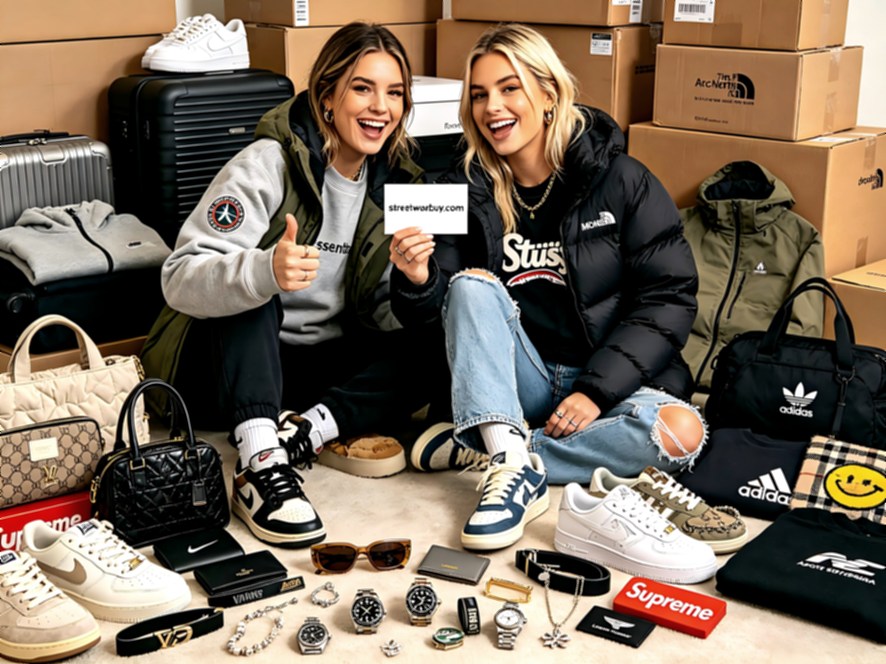
The legal distinction matters practically: designer-inspired alternatives that don't copy trademarked logos or branding are sold legally across the market. Products that replicate trademarked logos — genuine counterfeits — are illegal in most jurisdictions and are not what this site covers. The practical difference in shopping: legal alternatives are widely available on mainstream e-commerce platforms; counterfeits are not. The quality ceiling on legal alternatives has improved substantially since 2020 — enough that for most purposes, a good legal alternative delivers the aesthetic goal without the legal risk. The bag alternatives, shoe alternatives, and clothing alternatives pages cover legal options by brand and category.
The alternative market continues to evolve — quality thresholds shift, new sellers emerge, and community documentation grows more detailed each month. Check recent posts in dedicated communities before purchasing for the most current picks. The find directory has specific item guides with regularly-updated picks. The bag dupes hub, shoe alternatives, and clothing dupes cover the full category range. The guides section has practical buying advice for new and experienced buyers.
In practice, the line is drawn at trademarked logos and branding. A bag that's inspired by Chanel's quilted design but doesn't feature the interlocking CC logo is a legal alternative. A bag that features the interlocking CC logo — even described as "inspired" — crosses into trademark infringement territory in most jurisdictions. The alternative market covered on this site operates strictly in the legal category: inspired designs without copied trademarks.
The quality available in the legal alternative market has improved substantially since 2020. Designer-inspired bags, shoes, and clothing at $100-250 now deliver visual quality that was unavailable at legal price points five years ago. This has made the legal alternative route significantly more attractive compared to the risks associated with counterfeit purchasing. See the bag alternatives and shoe alternatives for specific picks across major luxury brands. The how to find designer dupes guide covers the sourcing process in detail.
For buyers new to this category, the practical summary: shop from platforms that openly list designer-inspired products, verify the seller has genuine buyer reviews (not just ratings), and look for product descriptions that say "inspired by" rather than claiming authenticity. These signals indicate you're in the legal alternative market. The buying guide walks through the purchase process step by step with specific advice on evaluating sellers.
The distinction also matters from a quality perspective. Legal alternatives compete on design inspiration and material quality — they can't rely on brand recognition to justify pricing, so they have to earn it through actual quality. The best alternatives at $120-200 do exactly that. Budget alternatives below $70 often cut the corners that matter most: hardware quality, material weight, and construction durability. The bag alternatives, shoe alternatives, and clothing dupes pages have specific quality notes for each brand and price tier.
To summarise: designer dupes are legal inspired alternatives that don't copy trademarked logos. They're widely available, improving in quality year-on-year, and represent a legitimate way to achieve high-end aesthetics at accessible price points. Counterfeits copy trademarks and are illegal. This site covers only the former. For specific picks across all categories, the find directory and category hubs have current community-verified recommendations.